How Is Travel Linked to Climate Change?
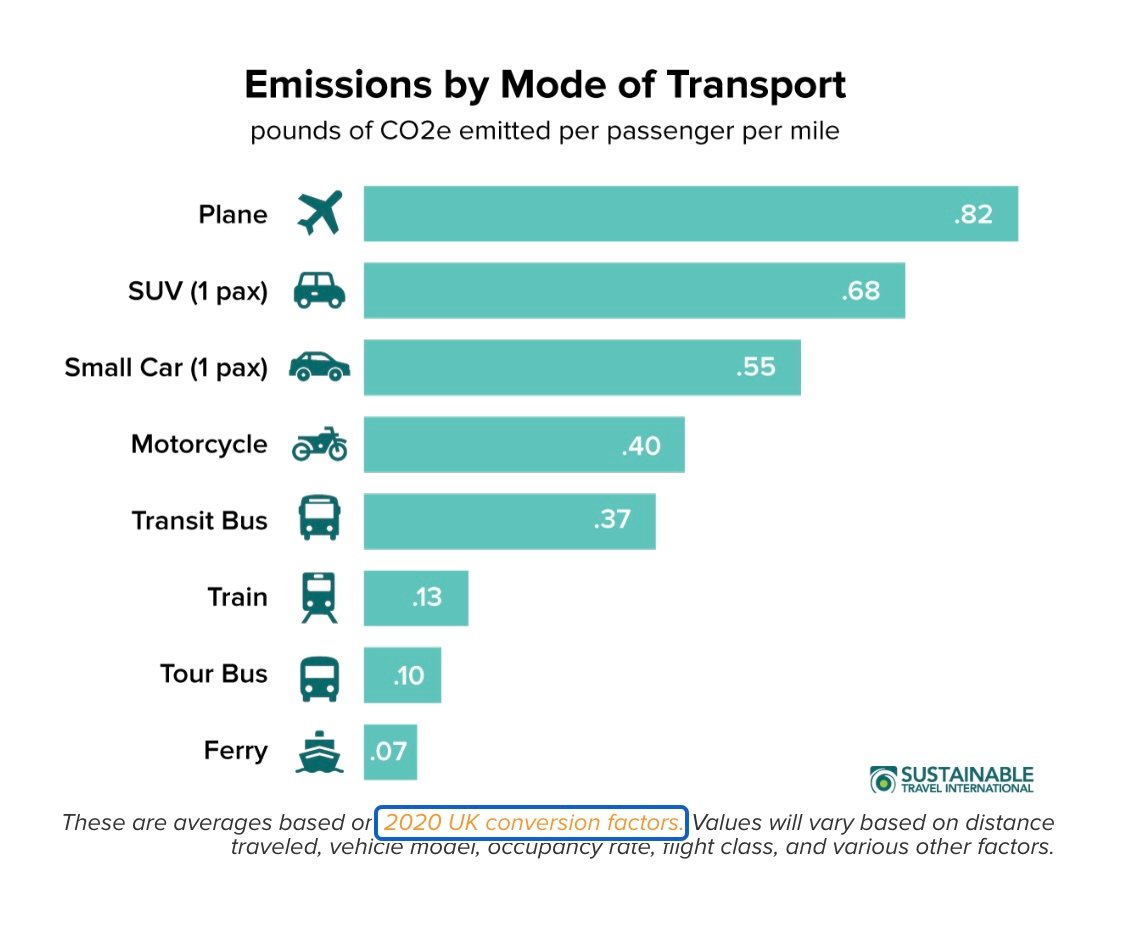
One of the major reasons is the tourism industry’s high carbon footprint. Tourism is responsible for roughly 8% of the world’s greenhouse gas emissions. From plane flights and boat rides to souvenirs and lodging and other supply chains, various activities contribute to tourism’s carbon footprint. Continue reading to learn more –>
Travel leaves a mark
When we travel, we get inspired by how places different from home look and work. We are awestruck by breathtaking landscapes. We are introduced to diverse cultures, traditions, and economies across the world. We take all of this in. But rarely do we stop and question our choices: How do we travel? What do we eat? Where does our money go? What do we shop for while travelling? And, perhaps most importantly, who actually benefits from our visit?
All of these choices contribute to a footprint at an individual level. But when millions of travellers make similar choices, these patterns become data points that influence how tourism businesses and supply chains make decisions.
Our Demands shape Destinations
Let’s say you, along with thousands of other travellers, frequently visit a forest. You take safaris to see wild animals, stay at nearby properties, eat at resort restaurants, and spend money on wildlife experiences.
The growing demand for these experiences sends a signal to hospitality suppliers, tourism brands, investors, and governments: there is money to be made here.
So, more accommodations are built to cater to the increasing tourist influx. Acres of forest may be cleared to make space for hotels, resorts, roads, swimming pools, and other luxurious amenities designed to meet tourists’ “needs”.
Gradually, foreign investors begin noticing the trend and start investing their money in the region. What was once a wild forest, with hundreds of animals roaming freely, becomes a target for more and more profit. And eventually, the landscapes and forests we once travelled miles to experience are now under threat because of the very tourism boom that brought us there.
Wild animals are killed. Their habitats are destroyed. Water sources become scarce due to increasing number of swimming pools — especially in drought-prone or desert-like landscapes. Local ecosystems are disrupted.
What we eat and buy matters too
And it doesn’t stop at where we stay or what we do. What we eat and what we shop also matters. Our choices may seem small when we make them as individuals. But when millions of travellers make those choices repeatedly, they shape demand. And demand shapes supply.
That is why talking about sustainable travel is important. That is why talking about the changing climate and the way we experience the world is important.
If travel changes climate, then climate changes travel too
The widespread heatwaves across Europe in 2026, glacier-melt-driven floods in Nepal, and the continued rise in sea levels threatening coastal cities and communities are stark reminders that our planet is warming at an alarming and unprecedented rate.
The impact of extreme weather events in tourism-reliant countries could be immense and would disrupt economies. With many parts of Europe facing heatwaves, more and more travellers are seeking “coolcations”, meaning heading toward the cooler destinations like parts of Scandinavia, the Arctic, and so on. A 2025 report by the European Travel Commission revealed that 81% of Europeans are modifying their travel behaviour in response to climate change. Among them, 15% are choosing cooler destinations, while 14% are avoiding places increasingly affected by extreme heat.