

Ethical Wildlife Tourism: Which Wildlife Experiences Should You Say No To?
Wildlife sightseeing is increasingly becoming a “must-do” experience among travellers around the world. Naturally, it’s an out-of-the-world experience to see wild animals in their natural habitat, which you’d otherwise only see on screens or in books. And in a way, the entire experience also instills in us a sense of care and responsibility to protect their homes – our forests, grasslands and oceans.
This report by World Animal Protection, for example, shows that an estimated 110 million people worldwide visit cruel wildlife tourist attractions annually. Most tourists aren’t even aware of the harmful practices behind wildlife sighting, and unintentionally, contribute to the exploitation of animals. Hence, it becomes crucial to understand and identify the role of “ethical wildlife tourism”. Because if it’s not done in a responsible way, we may risk losing our wild animals, and threaten the very habitats we seek to conserve.
Table of Contents
ToggleIt’s surely our responsibility to do everything within our power to create a planet that provides a home not just for us, but for all life on Earth.
David Attenborough
But what is Ethical Wildlife Tourism?
Imagine going on a safari in a jungle, with a camera in hand, your driver stops the vehicle, and you spot a lone tiger on the road. Then, suddenly, there are 5 more vehicles surrounding the animal, you hear the staccato of snaps and clacks, and see bright camera flashes erupting around the animal. But you trust your safari guide, who suggests you go a little closer for “the perfect shot of the tiger”. All of this feels normal because everyone is doing it. But then soon, you wonder if such an experience is good for the animal?
Ethical wildlife tourism places the animals’ welfare above everything else. This means no hands-on interaction, no cornering, chasing or stressing the animal out.
Wild animals – just like humans – need rest, routines, and social and natural environment away from constant human interference. So, the idea of ethical wildlife tourism is to maintain safe distance from the animal, minimise harm, respect their natural behaviour, and contribute meaningfully to the ecosystem conservation.
Can we redefine “Safaris”?
Like we mentioned above, Safaris are being designed around travellers’ experience over the animal’s welfare. Animals are increasingly being treated just as attractions or photo props. But they are not – they’re sentient beings with stress-limits and ecological roles.
We genuinely believe that safaris and other wildlife-related tours should be primarily education-focused rather than for our entertainment. Understanding the local biodiversity and regional landscapes is equally vital as it is to spot animals in the wild.
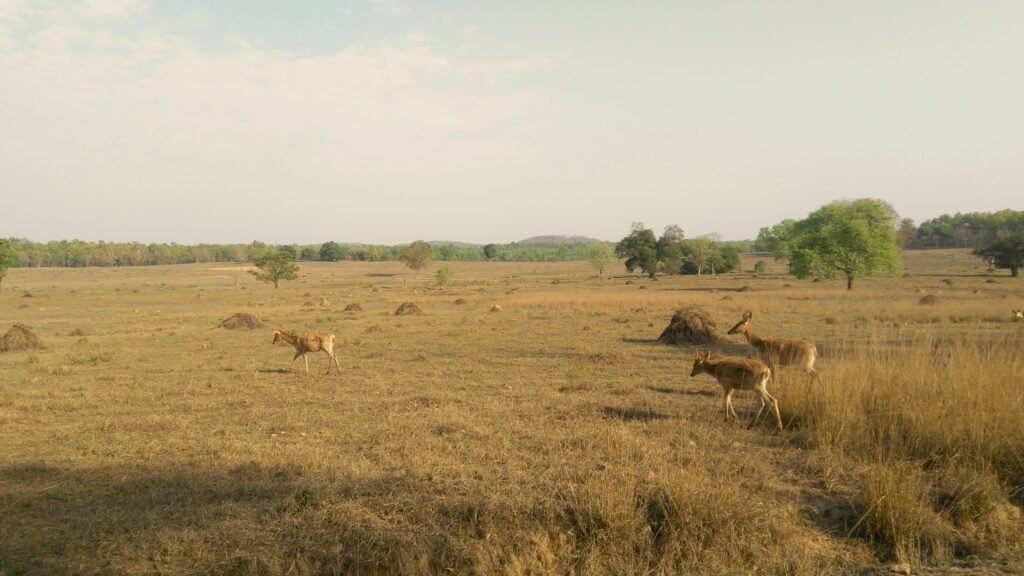
There is a greater need for us as tourists to redefine the INTENT of choosing a safari. If your intent is to spot the BIG 5 at any cost, these safari operators will go to any lengths to guarantee that experience. But if your intent is to experience the wild – to appreciate the landscapes, observe ALL animals, insects and birds in their natural habitats, and notice smaller wonders that make an ecosystem thrive – you may discover something more meaningful: a safari that respects wildlife, embraces the unpredictability of nature, and allows you to experience the wilderness on its own terms.
Our money and our visit must at the end of the day, serve two main purposes – The act of conservation itself & An increased awareness about conservation for the visitor.
How to choose ethical and responsible wildlife tours?
There’s a very thin line between experiences that are genuine and conservation-focused and the ones that hide animal abuse behind deceptive marketing.
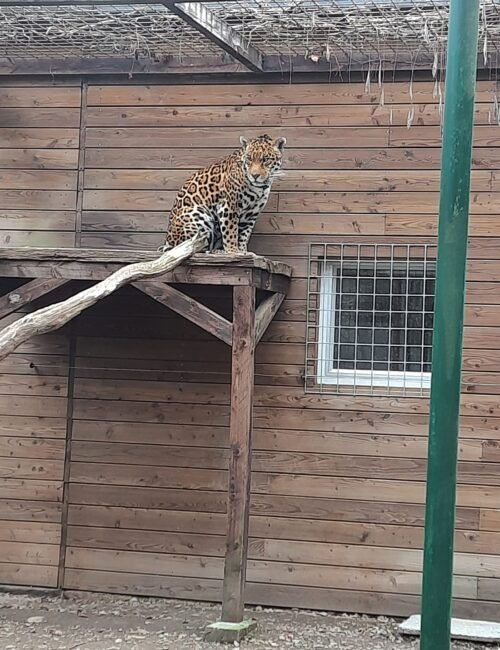
One of the biggest red flags to watch out for is a tour operator that “guarantees” big 5 or any other wildlife sightings. A responsible tourism agency can never promise that a jaguar or a bear will appear on demand.
Nature neither functions on a capitalist mindset nor has strict schedules. If we happen to sight an animal, it’s our luck that they crossed our paths; they should never be chased or cornered just for our sake.
The second is to never support tours that offer wildlife bathing, feeding, touching or riding. It may not appear abusive at first glance – but many of these animals are drugged, beaten, and tortured to follow instructions to become “friendly” and “admissible” to human interaction.
True conservationists will allow ample space for animals as they would have in the wild, and will never subject them to such harmful exchanges.
As responsible travellers, the best way for us to determine whether a tour company or operator works in an ethical way is to openly ask them questions: Are the animals’ welfare and natural behaviours prioritised? Is human interaction limited? Does the facility contribute to genuine conservation? Does it profit from keeping wild animals in captivity? Is any kind of animal abuse reported against them?
Which wildlife experiences should we say no to?
Today, the social media algorithm is influencing so many of our actions and decisions. The relentless desire to get likes and views is driving us to participate in the mass exploitation of countless species. But if we’re to be conscious of our choices – for the planet and the animals – here are some wildlife experiences that we should completely avoid.
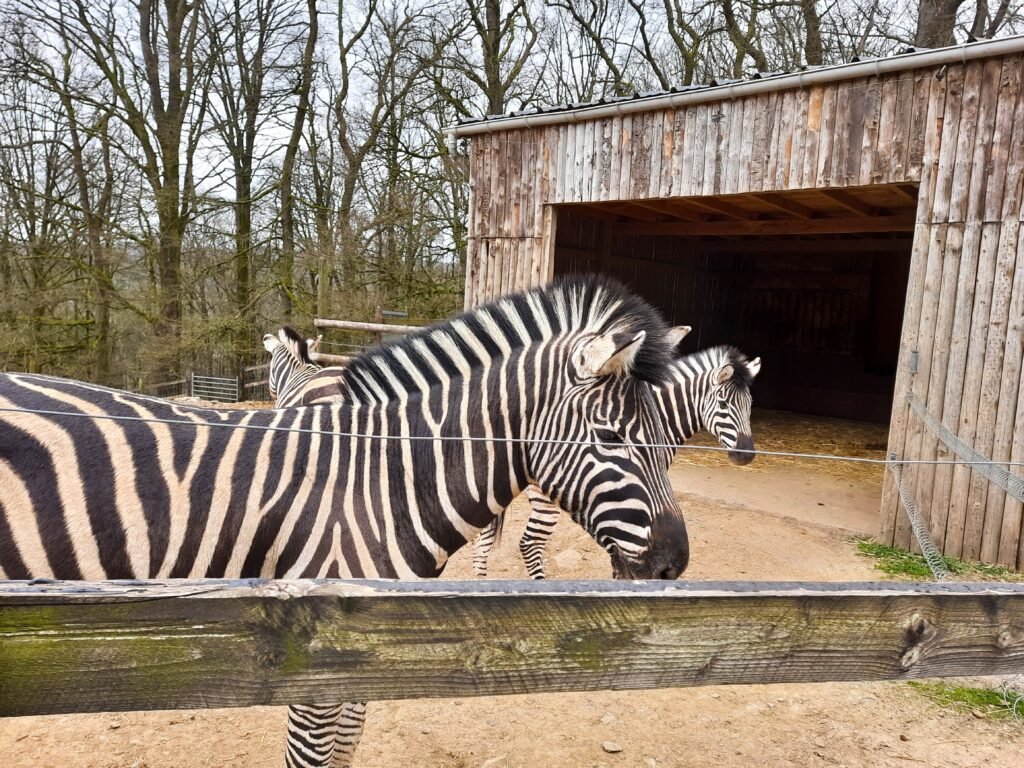
Visiting Zoos and Theme Parks
Take zoos and theme parks for example. We see people in our social circles taking selfies with lion cubs and macaws and white tigers, and our desire to connect with these animals feels validated because everyone seems to be doing it – we start normalising it.
But, the fact is, wild animals can never be domesticated and such activities can only disrupt their natural behaviour. Zoos and theme parks capture these animals from the wild – sometimes through illegal trade – and exploit them to gain profits. Often, they aren’t given food for long hours before they can learn to obey the trainer’s instructions. When we pay to visit theme parks with live animal shows, our money directly goes towards animal exploitation.
Swimming with dolphins or visiting marine parks
Dolphins may appear to be happy (given their naturally smiling feature), but their confinement in small concrete tanks deprive them of the space, stimulation and freedom they need, especially since they’re so used to travelling long distances in the wild stretches of the ocean.
When we touch them, the oils from our skin or even the slightest of pressure can cause these marine beings stress, make them sick or make them prone to infections. So, as responsible travellers who care about wildlife, please don’t sign up for such programs – even with captive animals – to swim with, touch, or interact directly. Our desire for a memorable holiday experience should never come at the cost of an animal’s well-being.
Read this Instagram carousel about how dolphins disappeared from India’s Ganga river.
Riding elephants and walking with lions
At this point, we don’t really know which industry is the most cruel!? Because everything you read about the lion industry is heinous and abhorrent.
The once “King of the Jungle” is now being domesticated for tourists’ whims and fancies that include walking with the lion or cuddling its cubs. And to deliver these wishes, lions – which are inherently super expensive to keep in captivity – are nevertheless kept so – simply because there are enough rich people out there who will pay any amount when promised such offers. They are bred in cramped, filthy conditions; their newborn cubs are bottle-fed and cuddled by naive volunteers from around the world. And once the lions reach maturity, they’re sent to trophy hunting facilities. And once they’re killed, their bones are sold internationally to Asian Wildlife markets.
The population of captive lions has outnumbered those in the wild, and are primarily used to generate income through illegal means.
Do you still fancy walking with lions?
Holding or swimming with sea turtles
Swimming with sea turtles is gaining popularity in countries like Sri Lanka, Indonesia, Thailand, and many others – Thanks to social media for yet again normalising animal exploitation!
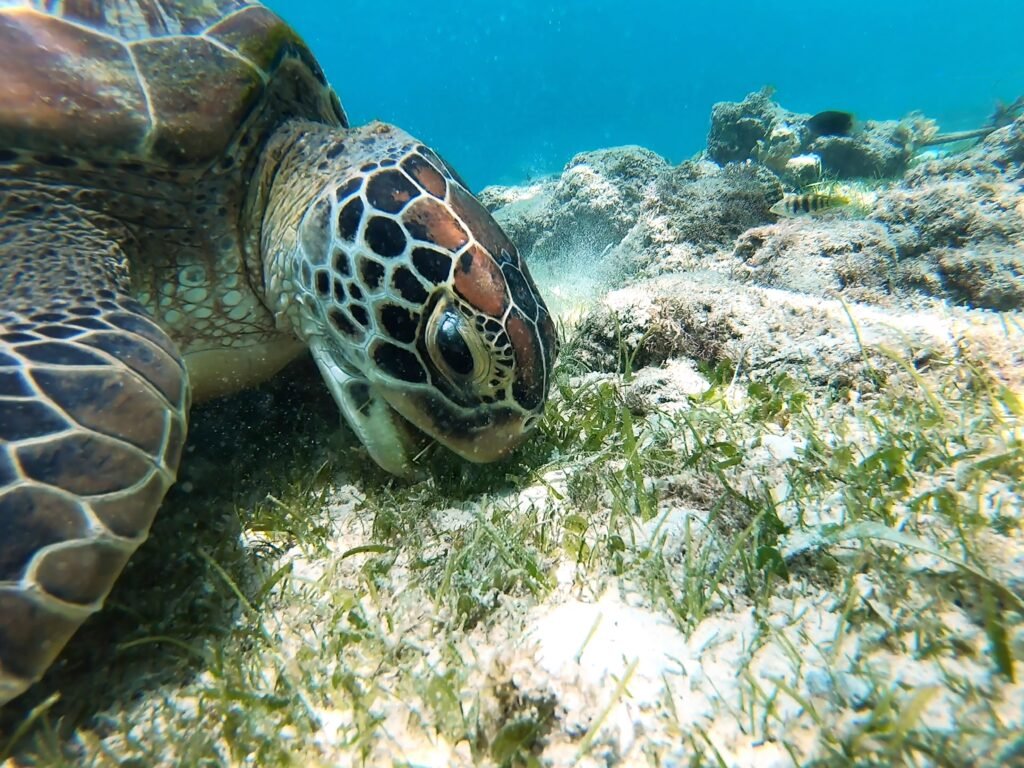
People who want to profit off of these marine animals sell seaweed to tourists, and ask them to feed the turtles. Many turtles swim to shores for breeding, and such a practice disrupts their natural behaviour. In fact, many tourists even start petting them, giving them no space to breathe. But let us remind you that when human hands touch skin or shells of sea turtles, the protective biofilm strips off, leaving them vulnerable to potential infections, shell rot, and other fungal diseases.
If you want to see them, observe them from a safe distance. Refrain from touching or feeding them. Don’t support seaweed sellers or any other illegal hatcheries in the area.
Dancing monkeys or snakes
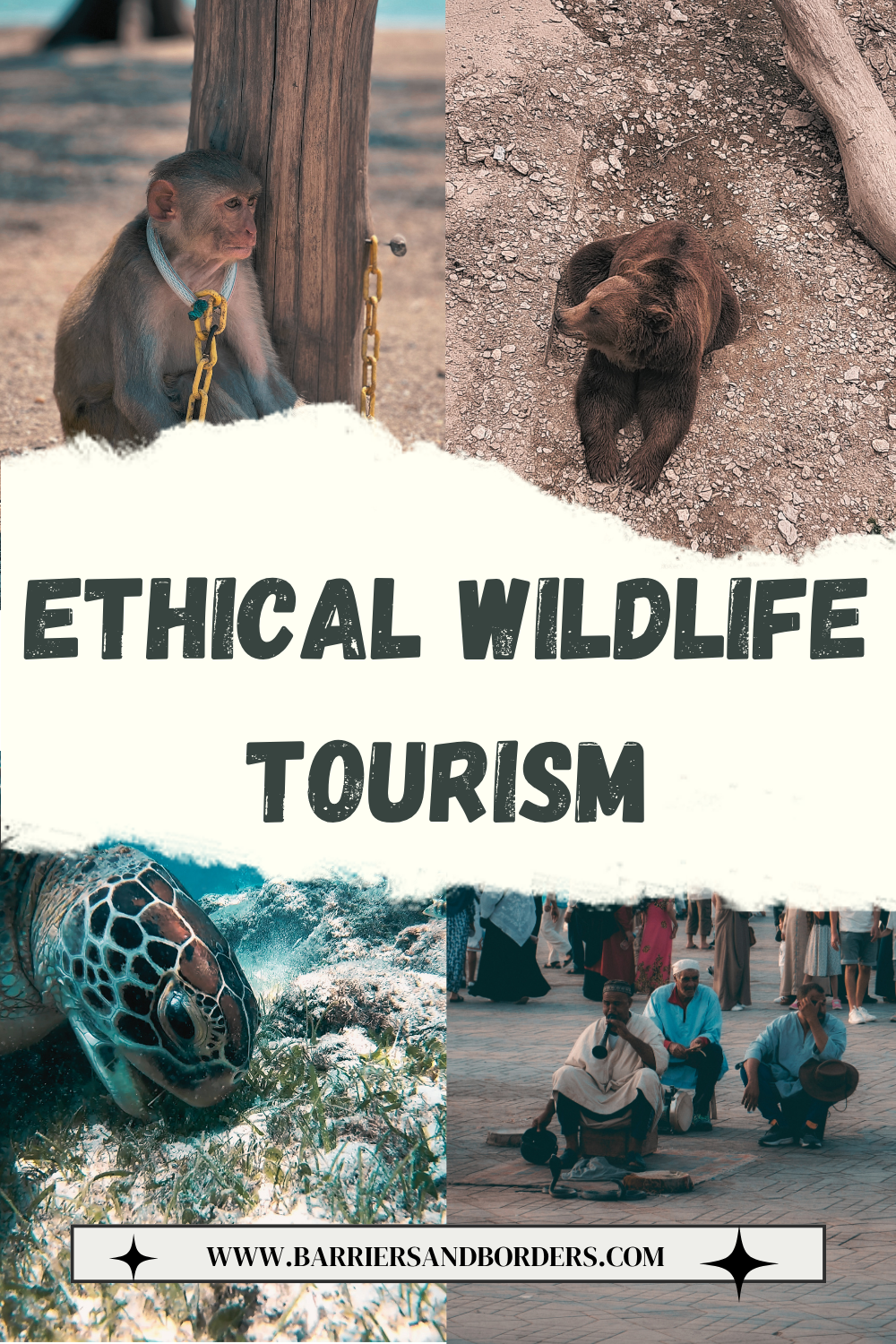
Visiting Jemma-el-fnaa in Marrakech was a test of our sensitivity toward animal exploitation. Drugged snakes, chained monkeys, painted tortoises, overburdened horses and donkeys, you name it – our weak hearts might’ve skipped a few beats witnessing all that. But, the worst part was how animal abuse was glorified by local tour guides and storytellers.
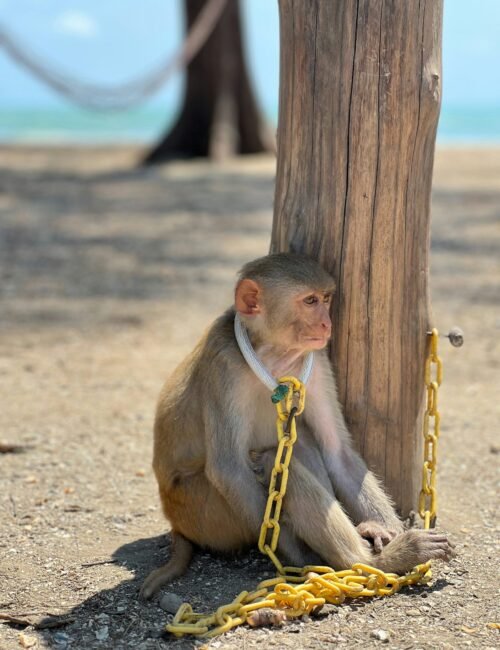
Many of these so-called snake “charmers” remove the fangs of snakes or stitch their mouths to make it safer for their performances. Snakes can’t hear the way we humans do; they simply pick up vibrations off the ground. When someone plays a flute in front of a snake, it actually perceives the instrument as a threat, and sways its body to mimic the movement. Monkeys, too, are subject to severe cruelty for street performance that you pay to watch. Their teeth are physically mutilated, hands tied, necks chained, and mouths taped so they “learn” to stand upright and obey the trainer’s instructions.
The next time someone tries to deceive you saying snakes listen to them or monkeys dance to their beats, don’t engage.

Why Ethical Wildlife Tourism matters today?
We can go on with all the inhumane practices that are inflicted upon animals, but the first step is to identify them and refuse to participate in it. Because our planet’s animals are vital to maintaining ecosystem balance, and in turn, our health.
Climate change, biodiversity loss, and now, overtourism is really damaging our natural resources. If we’re to save our endangered species from extinction, we ought to learn and understand them. And wildlife tourism, if done in a responsible way, can do wonders: it can fund research, protect habitats of countless species, and also create opportunities for indigenous communities living in remote areas. Ethical Wildlife Tourism, infact, can be a great asset to cultivate a sense of care for nature in tourists, and make them citizen scientists and conservationists.
Like this Post? Save it on Pinterest!




Leave a Reply