
Costa Brava
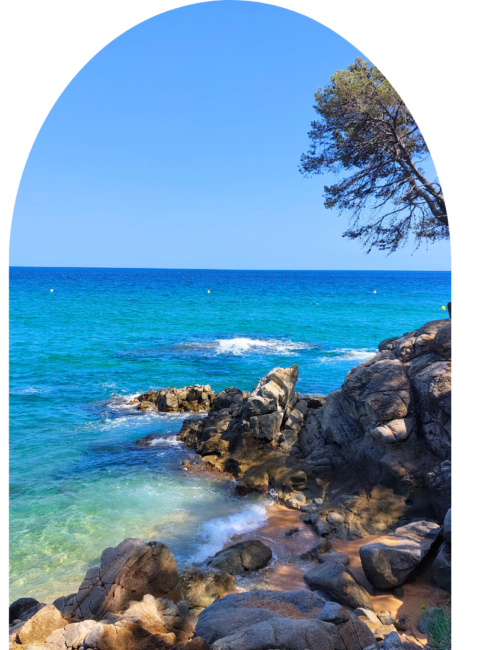
If you’re an Indian, and if you’ve watched the movie ‘Zindagi Na Milegi Dobara,’ you’ve probably seen the azure waters and the verdant landscapes of Costa Brava when the film crew goes for diving and paragliding expedition in Spain. Those turquoise seas you see in the film are from the paradise that is Costa Brava. Sandy beaches, impressive coves, and cute seaside villages are what makes this region a paradise. Not to forget the amazing Spanish people and their warm food.
Located just an hour from Barcelona, Costa Brava is a coastal region of Catalonia in northeastern Spain. Literally meaning ‘the wild coast’ in Catalan, this region stretches roughly from Blanes up until the French/Spanish border. Come let’s explore this lesser-known region of Spain in an eco-conscious way!
Things to see and do in Costa Brava
- Hike the entire length of Costa Brava
- Visit Marimurtra - the botanical garden of Costa Brava
- Walk in Calella or Lloret de Mar
- Take a train ride along the coast
- Swim in Balearic Sea
- Try vegan local dishes
- Visit the clifftop fort of Castell de Sant Joan
- Check out Salvador Dalí Museum in Girona
- Visit Girona Cathedral


Typical costs when traveling
Accommodation – Prices for accommodation in Costa Brava vary quite a bit between quiet coastal towns and peak-summer hotspots such as Cadaqués, Tossa de Mar. We stayed in Calella, and highly recommend staying in this town for some budget accommodations. Please beware of scammy hostels and apartments, and check reviews before finalising. Budget hotels are available from €50–70/night. Mid-range hotels come around €90–150/night. For seaside, luxury properties, expect to pay between €200–300+/night.
Food – If you’d like to eat well without going overboard, we’d budget €25–40 per person/day. A simple coffee and pastry costs around €5–10, whereas a nice fine dining meal roughly costs €30–50. Bracket €10–20 for casual lunches and tapas.
Transportation – We travelled in public buses throughout the region, and had a wonderful time exploring the place in a low-carbon way. There are regular buses from Barcelona heading toward Costa Brava by Sagalés. Check out their website for bus schedules and ticket prices. A bus journey from Barcelona to Calella costs between €7–10. We highly highly recommend taking the coastal trains running from Portbou to Mataró, and these rail journeys are one of the gorgeous trip you’ll take in the region! So ditch the car routes and take the trains in Costa Brava! Check out Rodalies de Catalunya for more information.
Do’s and dont's
Costa Brava is truly a paradise, and a must-visit Spanish region that’s still far away from the hip-cafés and similar-looking coffee shops of modern cities and towns. Here’s a mix of practical tips, local etiquettes, and a few things that’ll help you get acquainted to the region’s pace and life.
Do’s
- Do stay in Costa Brava for at least a week to learn about the region's history and culture.
- Do respect local cultures and customs, especially in quieter villages and residential areas.
- Do respect marine life - keep your distance from animals and never remove shells, rocks, plants from protected areas.
- Do try local delicacies like tapas and empanadas.
- Do take local buses and coastal trains to explore the seaside villages.
- Do participate in local events and community gatherings.
- Do wear reef-safe sunscreens while swimming in the Balearic Sea.
Dont’s
- Don't randomly book hotels and apartments - many are scammy ones. Please check reviews first.
- Don't leave litter behind on beaches - sea is not a place to dispose your trash.
- Don't blast music in natural areas, if it's disturbing for wildlife and for people around.
- Don't waste water - drought and water scarcity can be a concern, especially in parts of Catalonia during the summer period.
- Don't geotag secluded coves and beaches - save them from mass-tourism.
- Don't touch corals and underwater ecosystems.

Leave a Reply